



7 Smart Rebar Estimation Strategies for Steel Demand Forecasting
Construction projects are becoming larger, faster, and more complex than ever before. Whether developing a residential apartment, commercial tower, industrial plant, bridge, or infrastructure project, one challenge remains constant—ensuring the right quantity of reinforcement steel is available at the right time.
Ordering too little steel can delay construction, while ordering too much ties up capital, increases storage costs, and creates unnecessary material waste. The solution lies in accurate Steel Demand Forecasting, supported by professional rebar estimation.
Steel demand forecasting is more than predicting how much reinforcement will be required. It is a strategic planning process that combines engineering data, procurement schedules, construction sequencing, and quantity estimation to optimize purchasing decisions throughout the project lifecycle.
Accurate forecasting enables project teams to improve procurement efficiency, reduce financial risk, and maintain uninterrupted construction progress.
At Kryptos Rebar, steel demand forecasting begins with detailed rebar estimation, structured quality reviews, and construction-ready quantity analysis that supports smarter procurement decisions.
👉 Explore our
Rebar Detailing Services
https://kryptosrebar.com/kryptos-rebar-detailing-and-estimation-services/
What Is Steel Demand Forecasting?
Planning Reinforcement Requirements Before Construction Begins
Steel Demand Forecasting is the process of estimating the quantity, timing, and distribution of reinforcement steel required throughout a construction project.
Rather than simply calculating total steel weight, forecasting evaluates:
1.Reinforcement quantities
2.Construction phases
3.Procurement timelines
4.Fabrication schedules
5.Material delivery planning
6.Inventory requirements
The objective is to ensure steel is available exactly when needed while avoiding unnecessary inventory and procurement risks.
Why Steel Demand Forecasting Matters
Construction Success Depends on Material Availability
Reinforcement steel is one of the largest cost components in reinforced concrete construction.
Without accurate forecasting, projects commonly experience:
1.Procurement delays
2.Material shortages
3.Budget overruns
4.Excess inventory
5.Fabrication interruptions
6.Construction downtime
Proper Steel Demand Forecasting helps construction teams make informed procurement decisions while maintaining cost control and schedule reliability.
The Relationship Between Rebar Estimation and Steel Demand Forecasting
Accurate Estimation Creates Reliable Forecasts
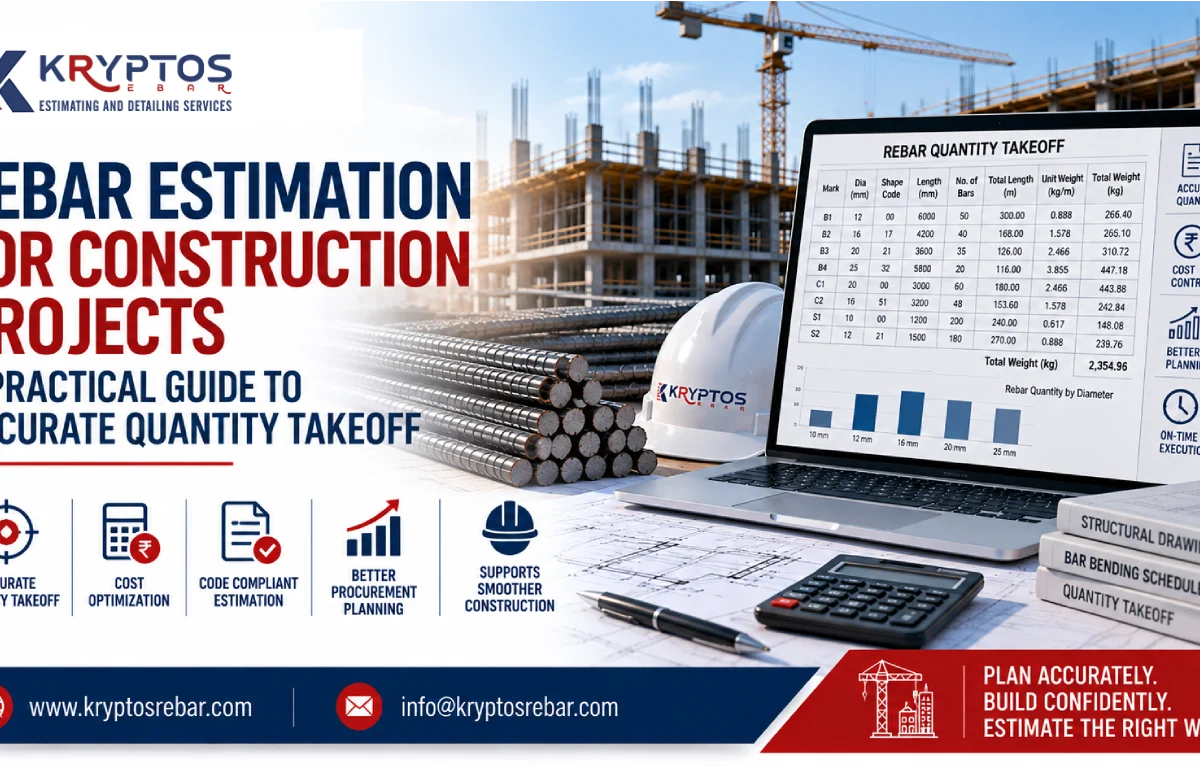
Every steel forecast begins with accurate rebar estimation.
Professional estimation provides:
1.Reinforcement quantities
2.Bar sizes
3.Steel weights
4.Element-wise take-offs
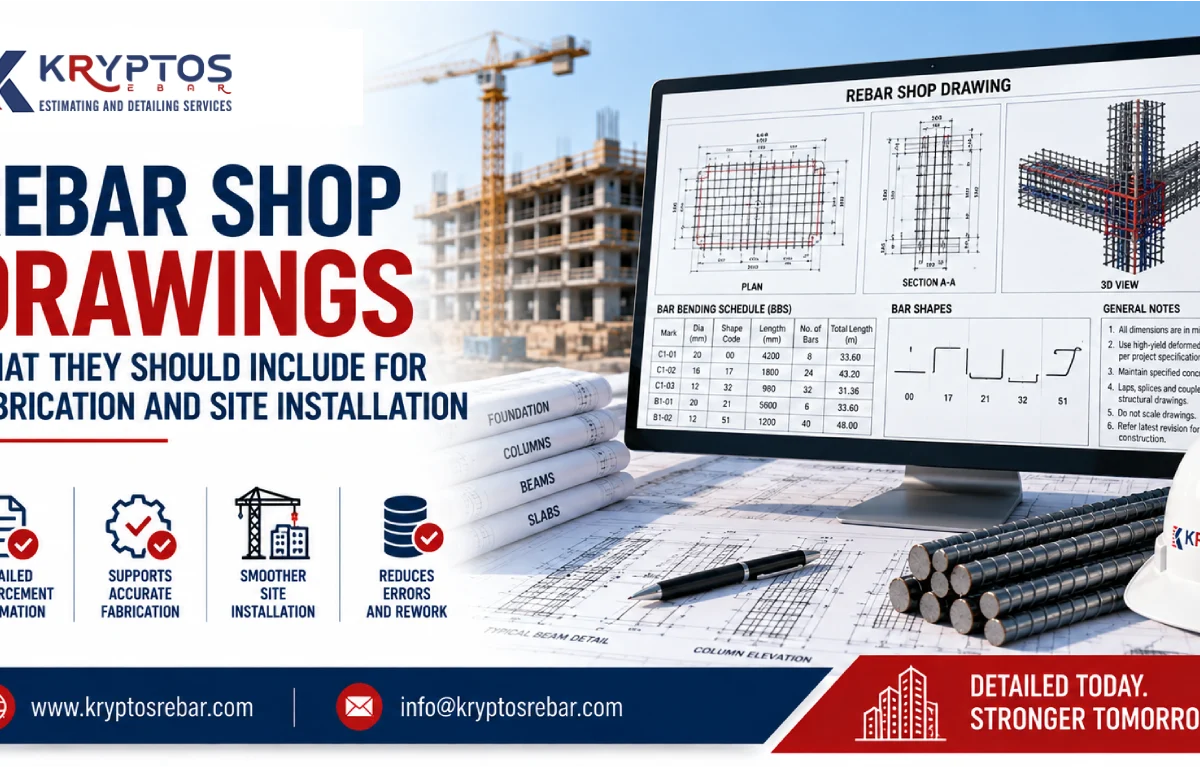
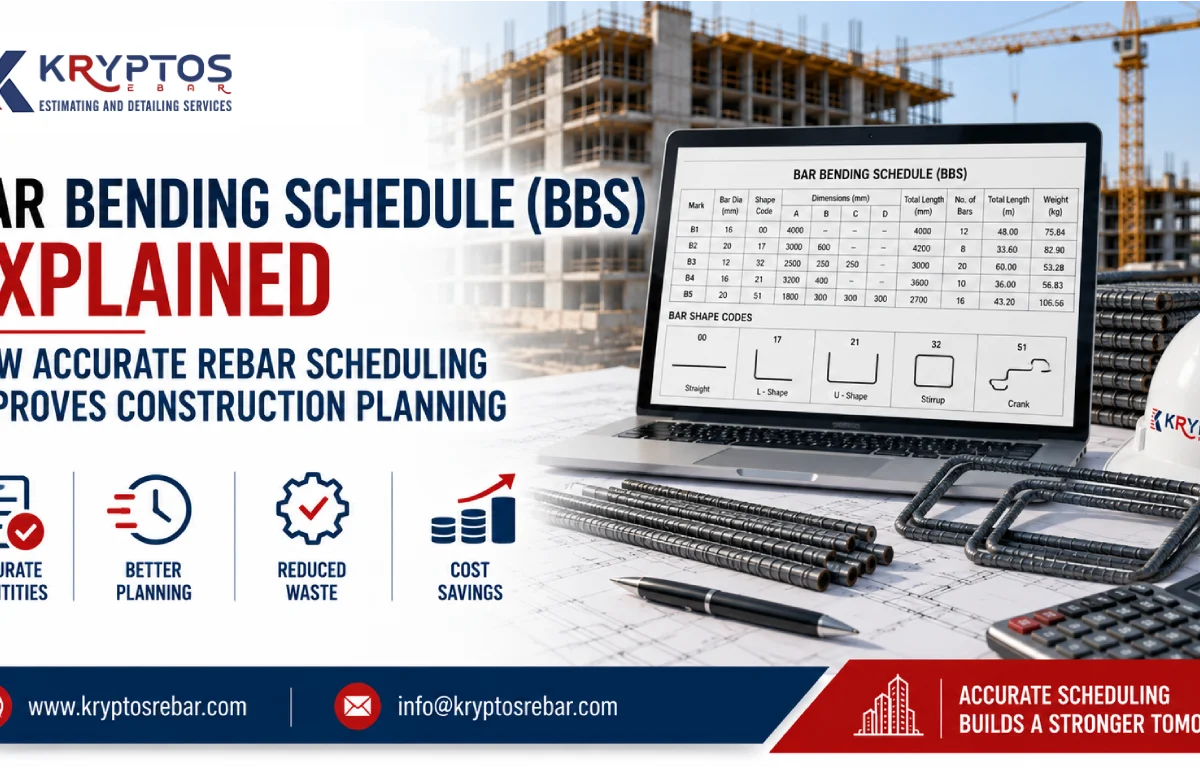
5.Bar Bending Schedule (BBS)
These quantities become the foundation for procurement planning.
Without accurate estimation, forecasting becomes unreliable.
This is why professional rebar estimation directly supports effective Steel Demand Forecasting.
How Steel Demand Forecasting Improves Procurement Strategy
Buying the Right Material at the Right Time
Procurement teams rely on forecasting to determine:
1.Purchase quantities
2.Supplier schedules
3.Delivery sequences
4.Storage requirements
5.Budget allocation
Instead of ordering all reinforcement at once, forecasting allows phased procurement based on construction progress.
Benefits include:
Reduced Capital Investment
Purchase materials only when required.
Better Supplier Negotiation
Planned procurement improves pricing opportunities.
Lower Storage Costs
Reduced inventory minimizes warehouse expenses.
Improved Cash Flow
Capital remains available for other project activities.
Supporting Construction Cost Control
Forecasting Helps Protect Project Budgets
Material costs represent a significant portion of construction budgets.
Accurate Steel Demand Forecasting supports:
1.Budget forecasting
2.Cost monitoring
3.Procurement planning
4.Quantity verification
Project managers can compare estimated quantities with actual consumption throughout construction.
This helps identify:
1.Material overuse
2.Procurement variances
3.Budget deviations
Accurate forecasting strengthens financial control.
Reducing Material Waste Through Better Forecasting
Every Kilogram Matters
Poor planning often results in:
1.Excess reinforcement
2.Scrap generation
3.Overstocking
4.Duplicate purchases
Accurate forecasting minimizes waste by:
1.Ordering correct quantities
2.Supporting optimized cutting schedules
3.Coordinating fabrication requirements
4.Reducing unnecessary stock
This improves both sustainability and profitability.
Inventory Management and Steel Demand Forecasting
Maintaining the Right Balance
Construction projects require continuous material availability without excessive inventory.
Effective forecasting helps maintain:
1.Minimum stock levels
2.Continuous supply
3.Optimized storage
4.Controlled procurement cycles
Proper inventory management reduces:
1.Storage costs
2.Material deterioration
3.Handling expenses
4.Financial risk
Bar Bending Schedule (BBS): A Key Procurement Tool
Turning Forecasts into Action
A detailed Bar Bending Schedule includes:
1.Bar marks
2.Quantities
3.Shapes
4.Lengths
5.Weights
Procurement teams use BBS information to:
1.Place material orders
2.Schedule fabrication
3.Coordinate deliveries
👉 BS 8666 Reinforcement Scheduling Standard
https://www.bsigroup.com/en-GB/bs-8666/
Accurate BBS preparation strengthens forecasting accuracy.
Technology Improving Steel Demand Forecasting
Digital Estimation Improves Procurement Accuracy
Modern estimation software provides greater forecasting precision.
Common industry tools include:
1.AutoCAD
2.RebarCAD
3.Bluebeam
4.ASA
5.Tekla Structures
These solutions help project teams:
1.Extract reinforcement quantities
2.Update revisions quickly
3.Compare quantity changes
4.Improve reporting accuracy
👉 Tekla Structures
https://www.tekla.com/products/tekla-structures
Digital workflows reduce manual errors and improve procurement planning.
Common Challenges in Steel Demand Forecasting
Mistakes That Affect Procurement
Several factors reduce forecasting accuracy.
Incomplete Structural Drawings
Missing information creates inaccurate quantities.
Design Revisions
Updated drawings may significantly change steel requirements.
Poor Coordination
Estimation, detailing, and procurement teams must remain aligned.
Manual Calculation Errors
Spreadsheet mistakes affect procurement planning.
Ignoring Construction Phases
Ordering all reinforcement simultaneously increases costs.
Recognizing these challenges helps improve forecasting quality.
Best Practices for Effective Steel Demand Forecasting
Proven Strategies for Better Procurement Planning
✔ Start with Accurate Rebar Estimation
Reliable forecasts depend on reliable quantity take-offs.
✔ Update Forecasts After Every Revision
Maintain current procurement information.
✔ Coordinate Across Departments
Connect estimation, detailing, procurement, and project management.
✔ Monitor Material Consumption
Compare actual usage with forecasted quantities.
✔ Review Inventory Regularly
Maintain optimal stock levels throughout construction.
✔ Perform Quantity Verification
Implement quality assurance before procurement decisions.
How Steel Demand Forecasting Improves Project Success
Strategic Planning Creates Better Outcomes
Projects using professional forecasting experience:
Improved Procurement Efficiency
Materials arrive when needed.
Better Cost Control
Budgets remain more predictable.
Reduced Material Waste
Steel consumption becomes more efficient.
Stronger Cash Flow
Capital is managed effectively.
Fewer Construction Delays
Material shortages become less common.
Higher Project Profitability
Resources are utilized more efficiently.
These benefits demonstrate why Steel Demand Forecasting has become a strategic business process rather than a simple estimation activity.
How Kryptos Rebar Supports Steel Demand Forecasting
Precision Estimation for Smarter Procurement
At Kryptos Rebar, our estimation workflows support procurement planning through:
1.Accurate quantity take-offs
2.Detailed BBS preparation
3.Revision-controlled quantity updates
4.Structured QA reviews
5.Procurement-ready reports
Our goal is to provide clients with dependable reinforcement information that supports better purchasing decisions and stronger project performance.
Conclusion
Steel Demand Forecasting is one of the most valuable planning tools available in modern construction.
When supported by accurate rebar estimation, forecasting enables construction teams to:
1.Improve procurement planning
2.Control project costs
3.Reduce material waste
4.Optimize inventory
5.Maintain project schedules
6.Increase profitability
Rather than reacting to material shortages or procurement issues, project teams can proactively plan reinforcement requirements with confidence.
As construction projects continue to grow in complexity, accurate forecasting has become essential for achieving predictable, cost-effective, and successful project delivery.
Need Accurate & Constructible Rebar Detailing for Your Project?
Connect with Kryptos Rebar for precision-driven rebar detailing, estimation, and constructability-focused reinforcement solutions.
📩 Email now: [email protected]
Let’s optimize your structure with precision and confidence.